
Why we're starting this
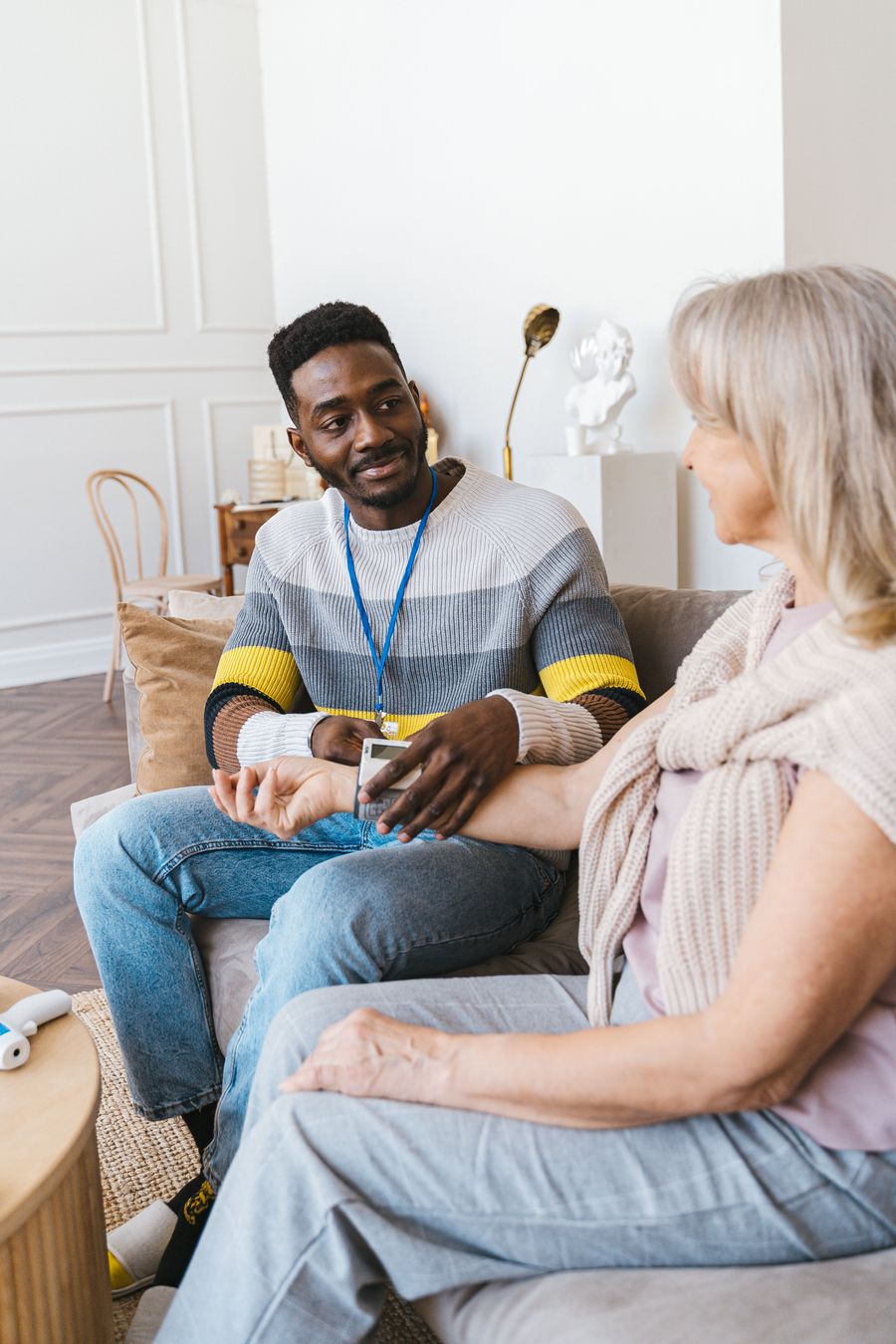
I'm Tracy, a home health nurse in Washington State. Home health puts you in people's bathrooms and kitchens. You see the tub someone can't safely get into and the shoes that don't fit swollen feet. Often the fix costs less than $100, and nobody can pay for it quickly.
For two years I relied on an agency foundation's patient-assistance fund, about $200 per patient per year, and I was one of its heaviest users. Need was a checkbox, so I could act the same day I saw the problem. I used it for shower chairs and grab bars so people could bathe safely again, supportive shoes and compression garments for swollen feet and legs, and grabbers so someone could reach things on their own. I also bought talking scales and large-print reminder clocks, pill organizers to keep medications straight, and fall-alert devices for people who live alone.
Each one cost very little, and each one changed someone's day at home.
Then the rules changed. The fund began requiring proof of need: a long form, plus bank statements or pay stubs to prove income. I stopped using it. I won't ask a patient to hand over their bank statements for a pair of shoes.
Even when it worked, it was slow. Approvals took 24 to 48 hours. Clinicians covered costs on their personal cards and waited about a month for a paper reimbursement check.
So I'm starting the Clinician Microgrant Fund. I broke my shoulder and I'm off work while it heals, so I'm using that recovery time to get it off the ground, including building our two apps, GrantDirect and the MedShed Kit.
Clinicians already know what their patients need. The Clinician Microgrant Fund trusts that judgment and gets out of the way.